
Legal E-Billing: A Guide for In-House Teams
Virtual Currency Businesses Licensing and Resources Department of Financial Services
June 1, 2023Easy methods to Find A Wife: 14 Procedures With Photographs
June 4, 2023
One of the most effective tactics to improve law firm performance is requiring and enforcing matter budgets. These latter two functions are integral to legal spend management activities. The e-Billing system will serve as the point of capture for data that will feed a business’ cost control systems and processes. No matter what size or type of client organization your firm is working with, it’s important to set up—and stick to—a set of standard, consistent invoicing requirements.

How do Law Firms Submit e-Billing Invoices?
The last thing you want to do when investing in a legal e-Billing solution is to pay extra to learn how to use it. Solutions that automatically include administrative training and responsive customer support will boost your team’s productivity and confidence in using the system to its fullest potential. Additionally, changing what content different users can view helps them work faster by eliminating the need to sort through irrelevant information. For instance, you can customize access levels for finance team members so the only data they’ll see is related to their assigned projects. If you’re thinking about making the switch to legal e-Billing, we’re here to help. Keep reading to learn about the many benefits of legal e-Billing and how to find a digital solution that’s best for you and your team.
- Automated checks and validation processes can catch errors that might be missed manually.
- The benefits of e-Billing are directly related to reducing costs, so it’s easy to prove return on investment (ROI) quickly.
- Your law firm’s legal electronic billing policy should be clearly communicated to all your clients.
- With e-Billing, legal teams no longer have to review stacks of paper bills and manually enter line items into spreadsheets to generate reports.
- Robust security controls must be established, and specialized staff needs to be dedicated and trained to administer all aspects of the system.
Embrace Legal E-Billing and Streamline Your Invoice Review
- To enter information into NMLS, you must first complete a Company Account Request Form and identify a Primary Account Administrator and a Secondary Account Administrator.
- Once you’ve created your policy in writing, be sure to share it with clients at the beginning of their client journey (for example, after their initial consultation).
- These systems serve as a centralised platform where invoices are submitted, processed, and analysed.
- For instance, you can customize access levels for finance team members so the only data they’ll see is related to their assigned projects.
TimeSolv has been around since 1999 and offers project management and billing software for firms of all kinds—consultants, PR, freelancers, accountants and lawyers. It caters to “Mac firms,” because of the seamless syncing across devices, but it offers apps for Android and PCs as well as iOS and Macs, along with its cloud-based app. Additionally, legal e-Billing solutions increase efficiency by automatically flagging invoices that don’t adhere to your legal billing guidelines. You no longer have to manually review each UTMBS task code and timekeeper rate, and this automatic enforcement of billing guidelines will ensure you maximize AFAs and volume discounts. Different billing guidelines – what firms can and cannot invoice for – exist for different firms. Trying to remember and accurately apply these rules when manually reviewing invoices is a daunting task, and mistakes will slip through the net, resulting in overpayment.
Follow standard invoice requirements
- After the invoice is approved, the reviewer can simply click a button to route the invoice to the Accounts Payable department for processing.
- For example, you can see which firms routinely violate your outside counsel guidelines so you can have strategic conversations about billing behavior with them.
- It is our experience that about 90% of buyers fall into the second category.
- This guide on how to decide to invest in legal software can walk you through some important questions to think about when choosing a legal billing software, like Clio Manage.
- Clients can also make payments directly through the portal, simplifying the payment process and improving your firm’s cash flow.
- This includes help with expense tracking for trust accounts, client and project management, and timekeeping with automated billing reports.
With real-time spend data stored in one central location, a legal e-Billing solution gives you greater access to granular legal analytics and custom reporting options. This allows you and your team to make more informed decisions that strengthen the company. Law firms must ensure the e-billing system integrates seamlessly with Law Firm Accounts Receivable Management existing practice management software, which can be technically complex. It often involves specialised software that adheres to specific billing guidelines set by clients, particularly corporate ones, to ensure compliance and transparency. These systems can be complex and laden with features that are not appropriate for smaller operations. It will take extra time to train the law firms and in-house staff on the proper use of the system.
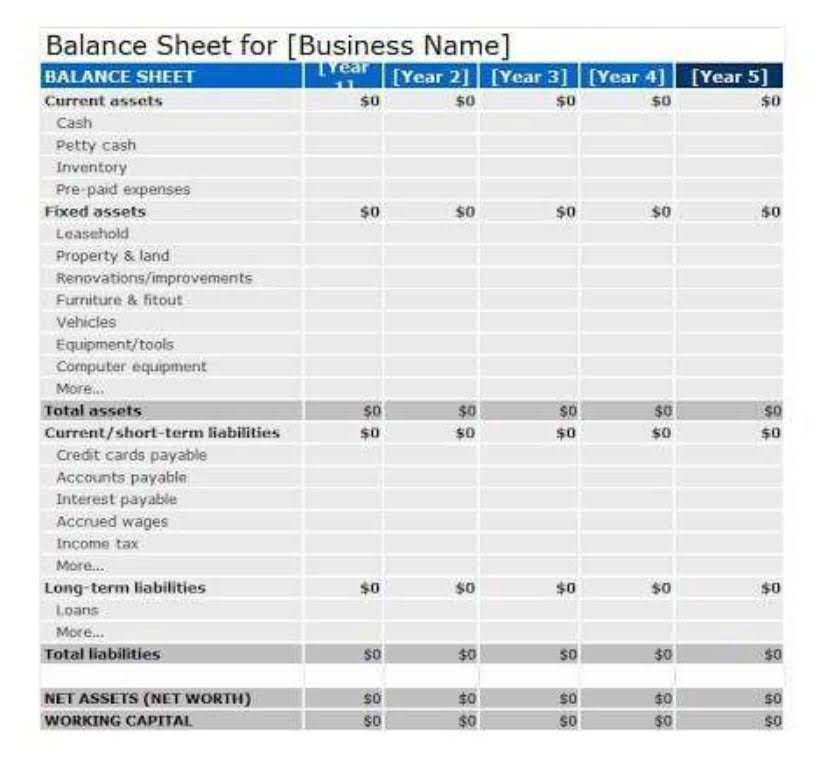

Legal billing software helps firms of all sizes manage their invoice, payment, and accounting processes. Most general use accounting and billing software, such legal e-billing as Quickbooks and BQE, can be used with no issue, but legal billing software is designed with law firms in mind. This includes help with expense tracking for trust accounts, client and project management, and timekeeping with automated billing reports.

Cloud-based solutions let you log hours and manage cases from anywhere, keeping up with the way you work. Forbes Advisor rated and reviewed some of the most popular legal billing software options available to help you decide which one is right for your practice. Legal e-Billing is the process of automating the review and approval (or rejection) of invoices received by the corporate legal department. It also requires the law firm to submit invoices in LEDES format, to capture detailed information about the work billed. E-billing software allows legal departments to identify cost-saving measures in the immediate term and by using data-driven strategies for the future.
Get paid faster and improve cash flow
- If the invoice has no flagged items or non-compliance issues, the in-house counsel may route the invoice directly to AP.
- MyCase is less robust than competitors and a better fit for small firms without complex accounting and reporting needs.
- Solutions that automatically include administrative training and responsive customer support will boost your team’s productivity and confidence in using the system to its fullest potential.
- With real-time spend data stored in one central location, a legal e-Billing solution gives you greater access to granular legal analytics and custom reporting options.
It accomplishes these goals through the use of standardization and automation. While the billable hour is still the norm, many law firms are also adopting alternative billing arrangements. These billing arrangements include flat fees, unbundled legal services, and normal balance sliding-scale fees.
